How to Find Your Personal Color Palette at Home
10% off on product page · save $2.22
How to Find Your Personal Color Palette at Home
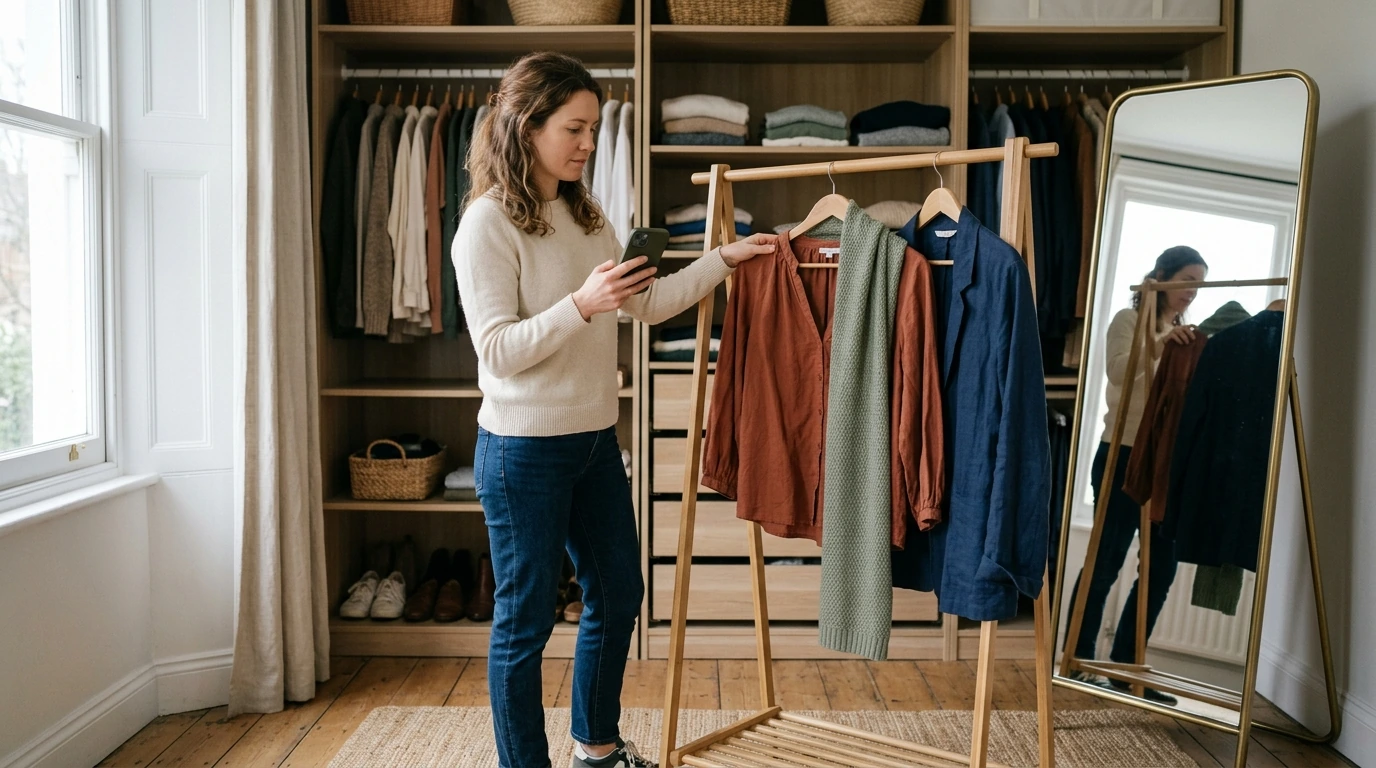
Start with the colors you actually wear
Your personal color palette is a set of colors that looks harmonious next to your face, especially in clothing, makeup, and accessories. To find yours, begin with garments you already own: hold one color at a time beneath your chin in natural daylight and notice whether your skin looks even and your eyes look clear. Compare colors in pairs, such as cream versus bright white, rather than judging each one from memory.

Compare warm and cool colors
Warm colors often have a golden or yellow influence; cool colors lean blue or rosy. Try a warm peach beside a cool pink, then repeat with camel and charcoal. Keep your hair pulled back and skip strongly colored makeup so you can focus on how each fabric affects your face. If both sides work, you may have room for colors from more than one palette.

Featured in this guide
AI Color Analysis From Your Selfie – Smart Personal Color Guide Ebook | Discover Your Best Colors with an ai color analysis app from a selfie
Check depth and brightness
Temperature is only part of the picture. Compare a light shade with a deep one, then a muted shade with a vivid one. For example, see whether dusty blue or clear cobalt makes you look more refreshed. Our team recommends noting the winning qualities—not just the winning color—so you can recognize useful options when shopping.
Make a practical starter palette
Choose two or three neutrals for larger purchases, then add a few accent colors for tops, scarves, or makeup. Hold potential purchases near your face when you can; a flattering color on a hanger may feel different once worn. Save fabric swatches or a short list of color names on your phone, and use them to compare pieces you want to wear together.
Use a photo as a second opinion
A photo-based color tool can help you narrow the options, but test its suggestions against real garments in daylight. Use a clear, evenly lit selfie without a strong filter, then compare the suggested colors side by side at home. For a step-by-step starting point, see our guide to AI color analysis from your selfie. Your best palette is the one you can verify and comfortably use.
FAQ
How can I identify my personal color palette?
Compare warm and cool fabrics beside your face in natural daylight, then test light versus deep and muted versus bright shades. Keep track of the colors that make your complexion look even and your eyes look clear.
How to figure out your own color palette?
Start with colors in your closet and compare them in pairs under the same lighting. Build a small palette from the neutrals and accents that consistently flatter you.
How to find your color palette by photo?
Take an evenly lit, unfiltered photo with your face clearly visible. Use it to shortlist colors, then compare those colors with clothing or swatches in person.
Can AI help me find my personal color palette?
Yes, AI can suggest a starting palette from a clear photo. We recommend testing those suggestions with real fabrics before choosing wardrobe or makeup colors around them.
See if AI Color Analysis From Your Selfie – Smart Personal Color Guide Ebook | Discover Your Best Colors with an ai color analysis app from a selfie fits your setup










Leave a comment