Stop Noise Through Apartment Walls: What Really Helps
20% off on product page · save $5.75
Stop Noise Through Apartment Walls: What Really Helps
Find Where the Sound Is Getting In
Before you buy anything, listen for where the noise is strongest: at the shared wall, around a door, near a window, or through a vent. Voices and television noise often point to gaps or a shared wall, while footsteps and deep bass can travel through the building’s structure and be harder to control from your apartment alone.
Check the product’s listed specifications when evaluating find where the sound is getting in.
Seal Gaps You Can Reach
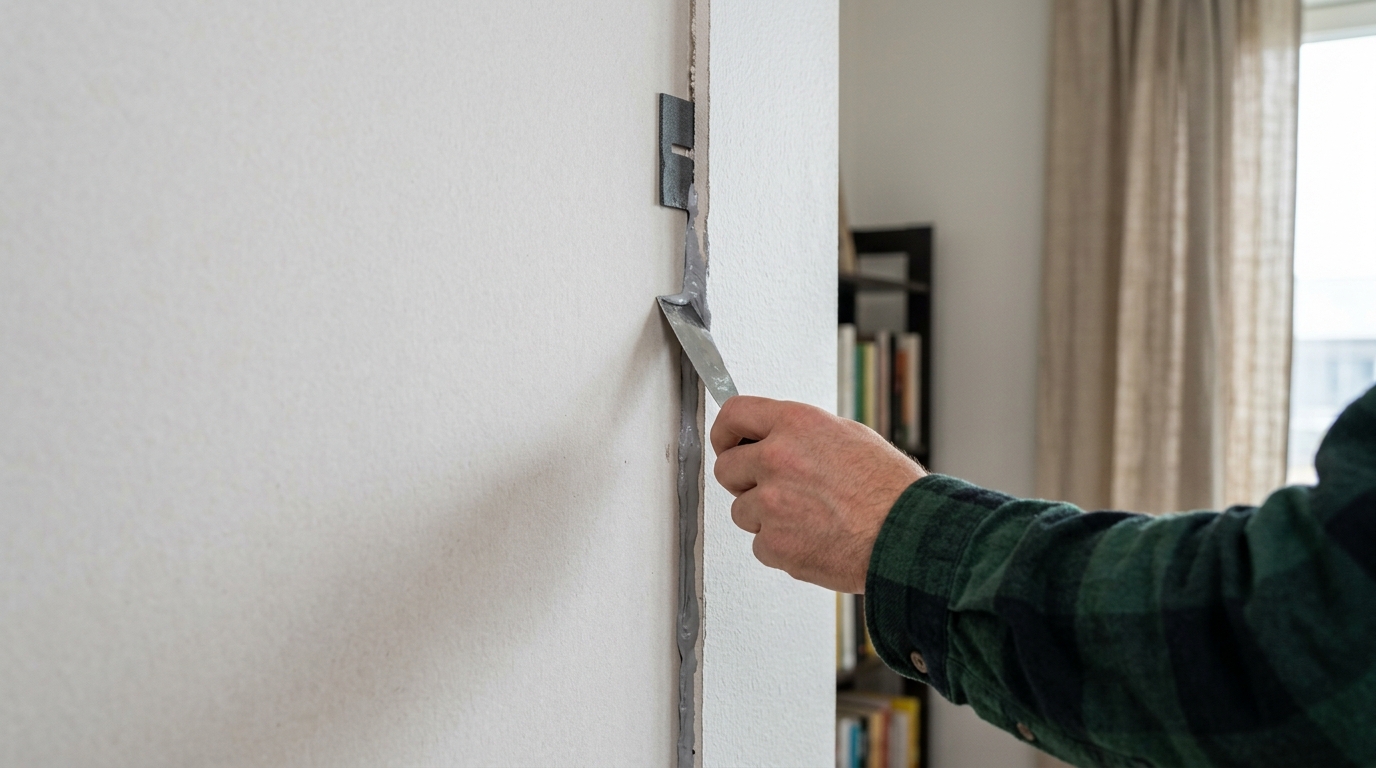
For noise slipping around an entry door, a well-fitted door sweep and weatherstripping can reduce the open paths that let sound through. You can also ask your landlord about sealing visible gaps around trim or other penetrations, but leave outlets, wiring, and ventilation openings to qualified professionals.
Check the product’s listed specifications when evaluating seal gaps you can reach.
Featured in this guide
Quiet Walls, Calm Minds – A Practical Guide on how to block neighbor noise for Apartments, Condos & Shared Walls
Add Weight and Distance at a Shared Wall
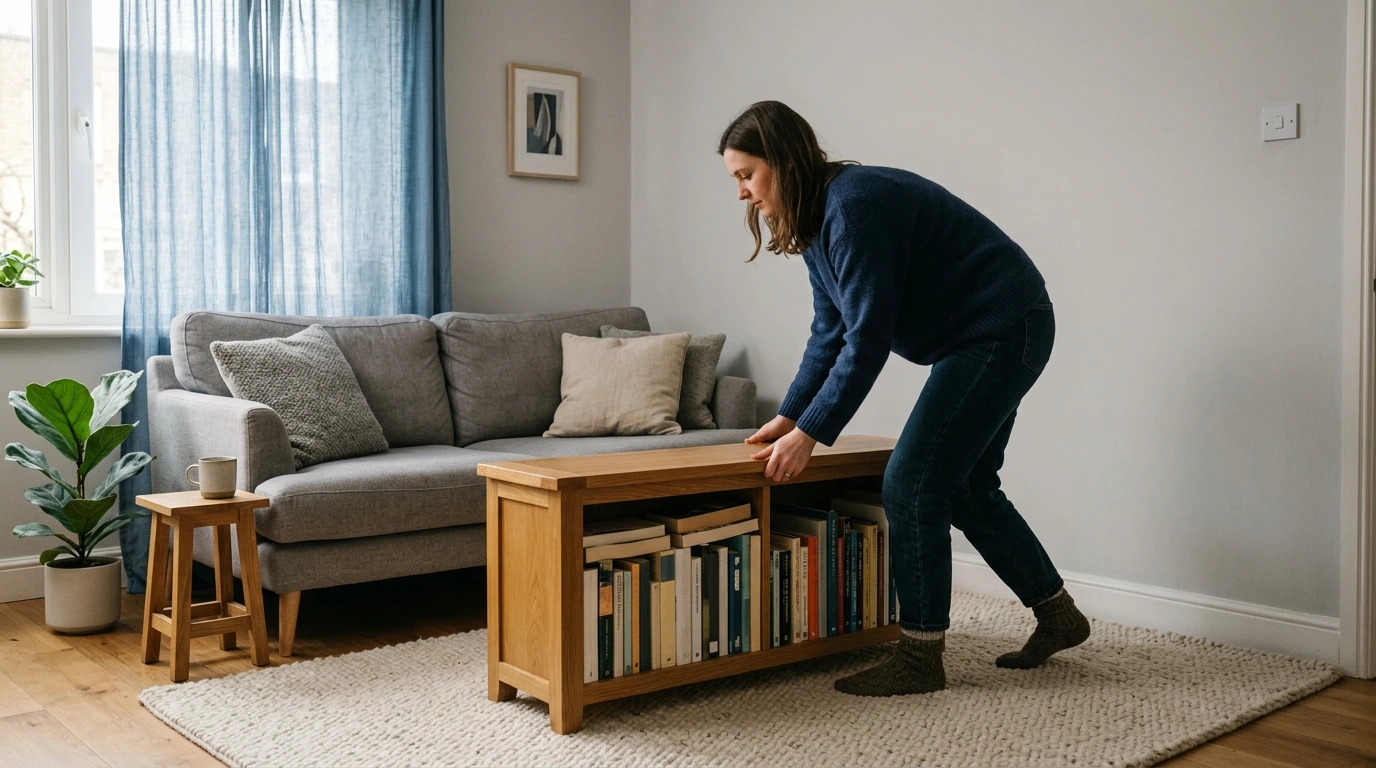
Place a full bookcase or other substantial furniture against the noisy wall, leaving it stable and safely secured where needed; this may help more than a thin decorative panel. Moving your bed or desk away from that wall can also make a noticeable difference in how you experience the noise, even if it does not stop transmission.
Choose Treatments for the Right Problem
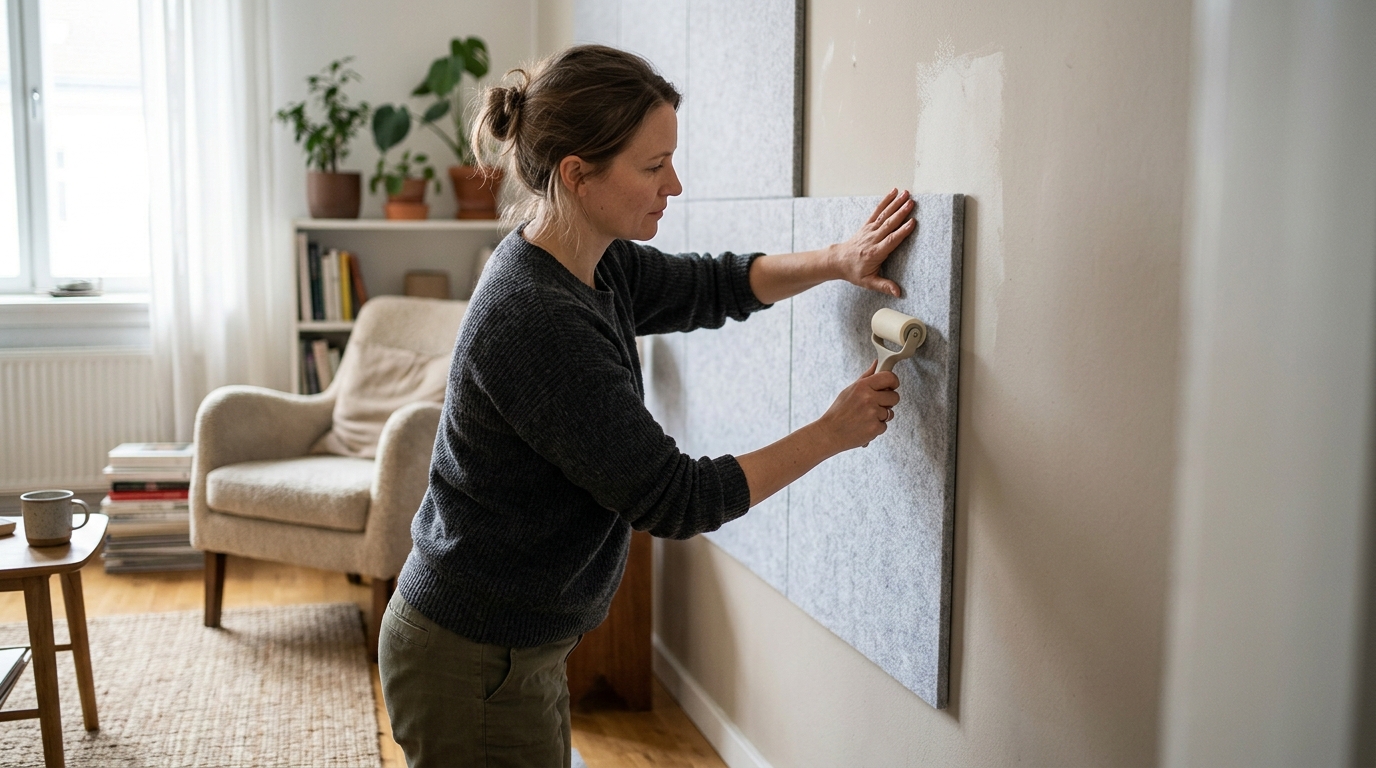
Rugs and thick curtains can soften sound within your own room, but they are not substitutes for a properly built sound-isolating wall. Likewise, foam acoustic panels are mainly for reducing echo inside a room, so we would not choose them as the primary fix for a neighbor’s voices coming through drywall.
Check the product’s listed specifications when evaluating choose treatments for the right problem.
Know When to Ask for Building-Level Help
If the wall itself is the main path, meaningful sound isolation may require added drywall, careful sealing, or construction that separates surfaces—work that usually needs your landlord’s approval. If the noise comes through a vent or includes persistent low-frequency thumps, document when it happens and discuss the source with building management rather than blocking airflow or making unapproved changes.
Check the product’s listed specifications when evaluating know when to ask for building-level help.
Make a Practical Plan for Your Apartment
Our team suggests starting with reversible steps, then reassessing the noise before spending money on more involved materials or requesting alterations. For a broader way to organize those choices, you can read our apartment wall sound guide and explore Quiet Walls, Calm Minds – A Practical Guide on how to block neighbor noise for Apartments, Condos & Shared Walls.
The Living Comfortably With Less Fur Everywhere | Practical Ebook for a Cleaner Home | Smart Pet Hair Control Tips for Real Life loosens and collects dog hair from car upholstery and seat seams; it pairs with the featured product during the same trip.
See if Quiet Walls, Calm Minds – A Practical Guide on how to block neighbor noise for Apartments, Condos & Shared Walls fits your setup
Recommended for you














Leave a comment