How to Get Off a Joint Car Loan: Your Options
How to Get Off a Joint Car Loan: Your Options
Start With Your Lender
You generally cannot remove yourself from a joint car loan by agreement with the other borrower alone: the lender must release you from the contract, or the loan must be paid off. Ask the lender whether it offers a borrower release or loan assumption, what qualifications the remaining borrower must meet, and whether any paperwork also needs to be completed with your state’s motor vehicle agency.

Compare Your Main Options
If the lender permits a release or assumption, the person keeping the car will typically need to qualify to make the payments without you; if the lender does not permit it, refinancing into that person’s name may be an option. Selling the car and using the proceeds to pay off the loan is another route, but if the sale price is less than the payoff amount, you will need a plan for the remaining balance.
Featured in this guide
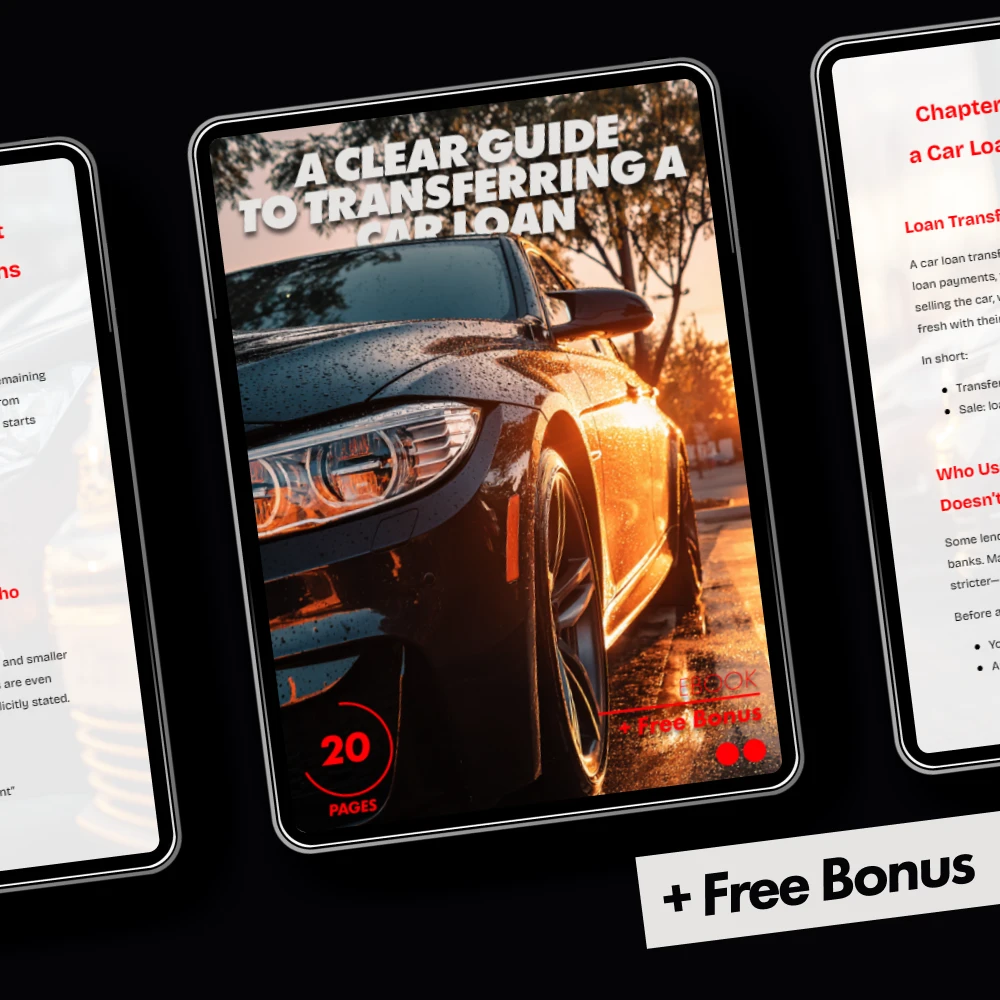
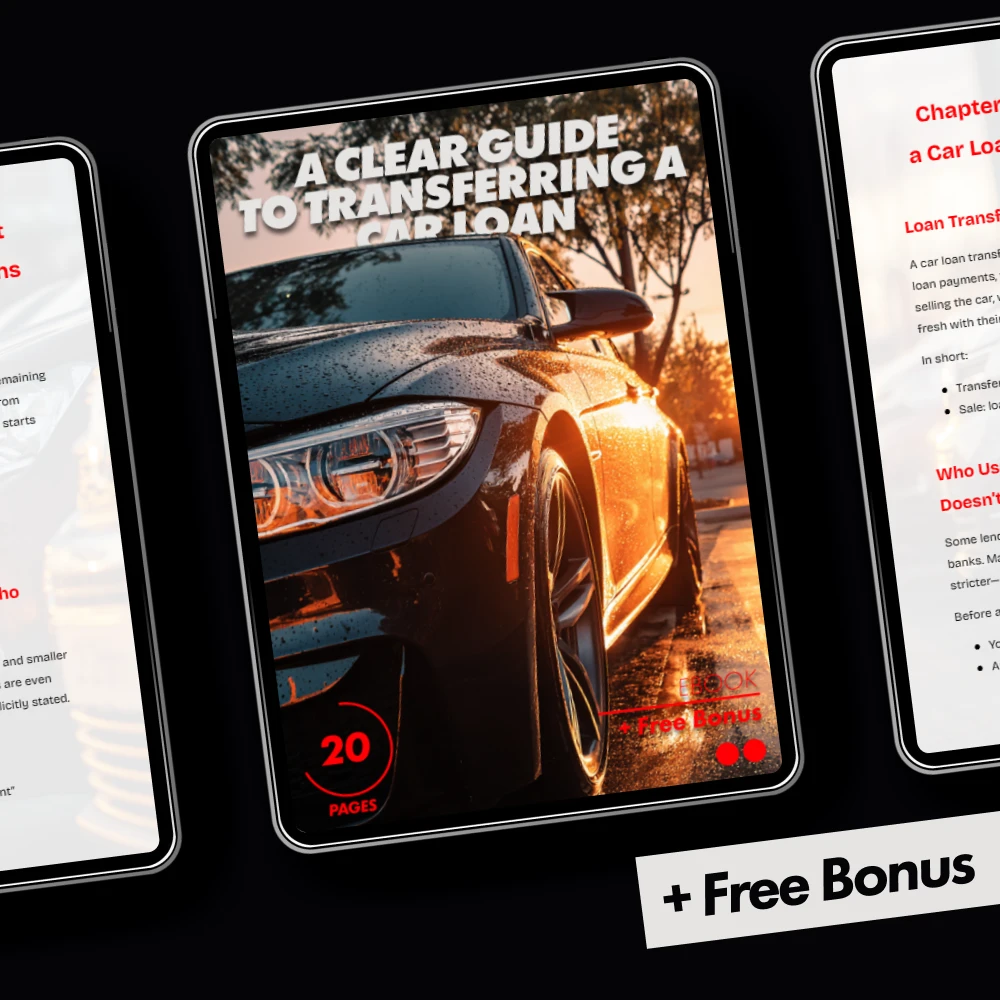
A Clear Guide to Transferring a Car Loan: Step-by-Step eBook on How to Transfer a Car Loan to Another Person
Keep Paying Until the Change Is Complete
A divorce decree, private agreement, or promise that someone else will make the payments does not, by itself, remove your responsibility to the lender. Until you have written confirmation that you have been released or that the joint loan is paid in full, missed payments can still affect you, so keep track of due dates and account activity.
Handle the Loan and Title Separately
Being removed from the loan and being removed from the vehicle title are separate matters, and the right steps depend on whose names appear on each document and your state’s rules. Before signing a title transfer, confirm how the lender’s lien will be handled, when the old loan will be paid off, and when any replacement financing will take effect.
Get the Final Details in Writing
Request the payoff amount and deadline, ask who will submit each document, and keep copies of the lender’s release or paid-in-full notice and any completed title paperwork. For a broader walkthrough, read our guide to transferring a car loan; our team also offers A Clear Guide to Transferring a Car Loan: Step-by-Step eBook on How to Transfer a Car Loan to Another Person if you want a dedicated resource on that topic.
Check the product’s listed specifications when evaluating get the final details in writing.
FAQ
How do I get my name taken off a joint car loan?
Contact the lender to ask whether it will release you if the other borrower qualifies alone. If it will not, the other borrower may be able to refinance in their name, or you can arrange to pay off the joint loan through a sale or other funds.
Is there a way to remove yourself as a cosigner on a car loan?
Ask the lender whether it offers a cosigner release and what conditions apply; many loans do not provide one. If release is unavailable, the primary borrower may be able to refinance without you, or the loan can be paid off.
See if A Clear Guide to Transferring a Car Loan: Step-by-Step eBook on How to Transfer a Car Loan to Another Person fits your setup













Leave a comment