What to Eat to Help Stop Hair Falling Out
What to Eat to Help Stop Hair Falling Out
Build Each Meal Around Protein
Hair is primarily made of keratin, a protein, so consistently low protein intake may contribute to shedding. Include roughly 20–30 grams of protein per main meal from eggs, fish, poultry, Greek yogurt, tofu, lentils, or beans; individual needs vary with body size and health.
Pair Iron-Rich Foods With Vitamin C
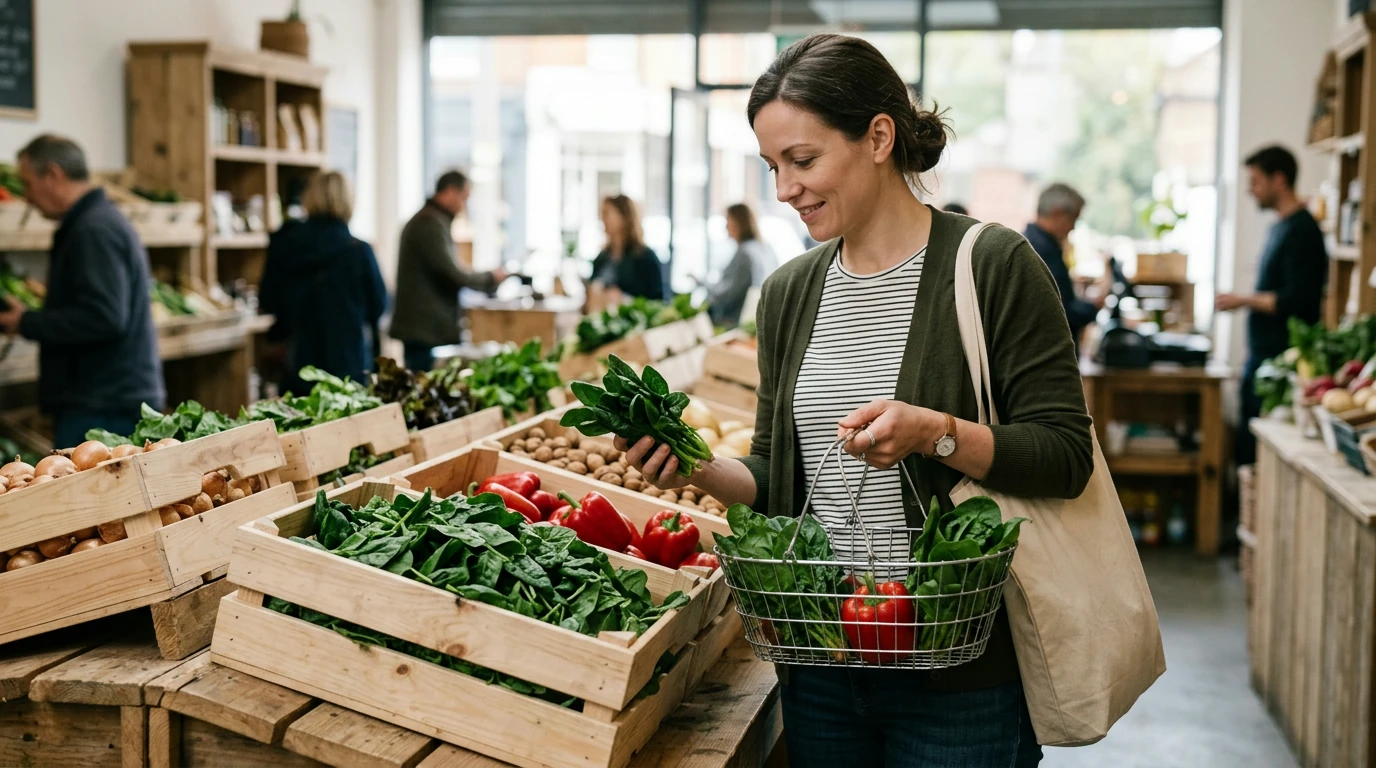
Low iron stores can be associated with hair loss, especially in people with heavy menstrual periods, restrictive diets, or certain digestive conditions. Choose lean beef, shellfish, lentils, spinach, or iron-fortified cereal, then pair plant-based sources with bell peppers, citrus, strawberries, or tomatoes to improve iron absorption.
Do not start a high-dose iron supplement without testing and professional guidance, because excess iron can be harmful. A clinician may check a complete blood count and ferritin level when deficiency is suspected.
Featured in this guide
Understanding Hair Loss from the Inside Out – Hair Loss and Nutrient Deficiency eBook, Science-Backed Nutrition Guide, Digital Download for Stronger Healthier Hair
Choose Foods Supplying Zinc and Selenium
Zinc supports normal hair-follicle function, while selenium contributes to antioxidant defenses—but excessive amounts of either nutrient can worsen hair loss. Meet typical needs through food such as oysters, beef, pumpkin seeds, dairy, eggs, tuna, and whole grains rather than stacking multiple supplements.
Brazil nuts are exceptionally selenium-rich, so portions matter: one nut may contain an entire day’s requirement or more. Avoid eating handfuls daily, and check supplement labels for overlapping zinc or selenium.
Add Healthy Fats and Colorful Produce
Fatty fish such as salmon, sardines, and trout provide omega-3 fats along with protein and vitamin D. Aim for two servings of fish weekly, or select walnuts, chia seeds, and ground flaxseed if you do not eat seafood.
Dark leafy greens, carrots, berries, and sweet potatoes add vitamins and antioxidants that support overall nutrition. Favor a varied plate instead of megadoses of vitamin A, since excessive preformed vitamin A can trigger shedding.
Look Beyond Food When Shedding Persists
No single food can immediately stop hair from falling out, and nutritional improvements usually take months to affect new growth. Seek medical advice for sudden shedding, bald patches, scalp inflammation, fatigue, or hair loss lasting longer than several months.
Thyroid disorders, hormonal changes, medications, stress, and hereditary hair loss may require targeted care. Review the science-backed guide to nutrient deficiencies and hair loss for testing considerations and practical dietary sources.
FAQ
What should I eat to stop hair thinning?
To address hair thinning, eat regular meals containing protein, iron-rich foods, vegetables, whole grains, and healthy fats. Eggs, fish, lean meat, lentils, tofu, Greek yogurt, leafy greens, and vitamin C-rich produce are practical choices, but persistent thinning should be medically evaluated.
What can I drink to regrow hair?
No drink has been proven to regrow hair by itself. Drink enough water for normal hydration and consider milk or a fortified unsweetened alternative for protein and micronutrients, while avoiding “hair-growth” drinks containing excessive vitamin A, selenium, or other high-dose supplements.
See if Understanding Hair Loss from the Inside Out – Hair Loss and Nutrient Deficiency eBook, Science-Backed Nutrition Guide, Digital Download for Stronger Healthier Hair fits your setup













Leave a comment