Female Hair Loss: What Dermatologists Recommend
Female Hair Loss: What Dermatologists Recommend
Start with the cause, not a supplement
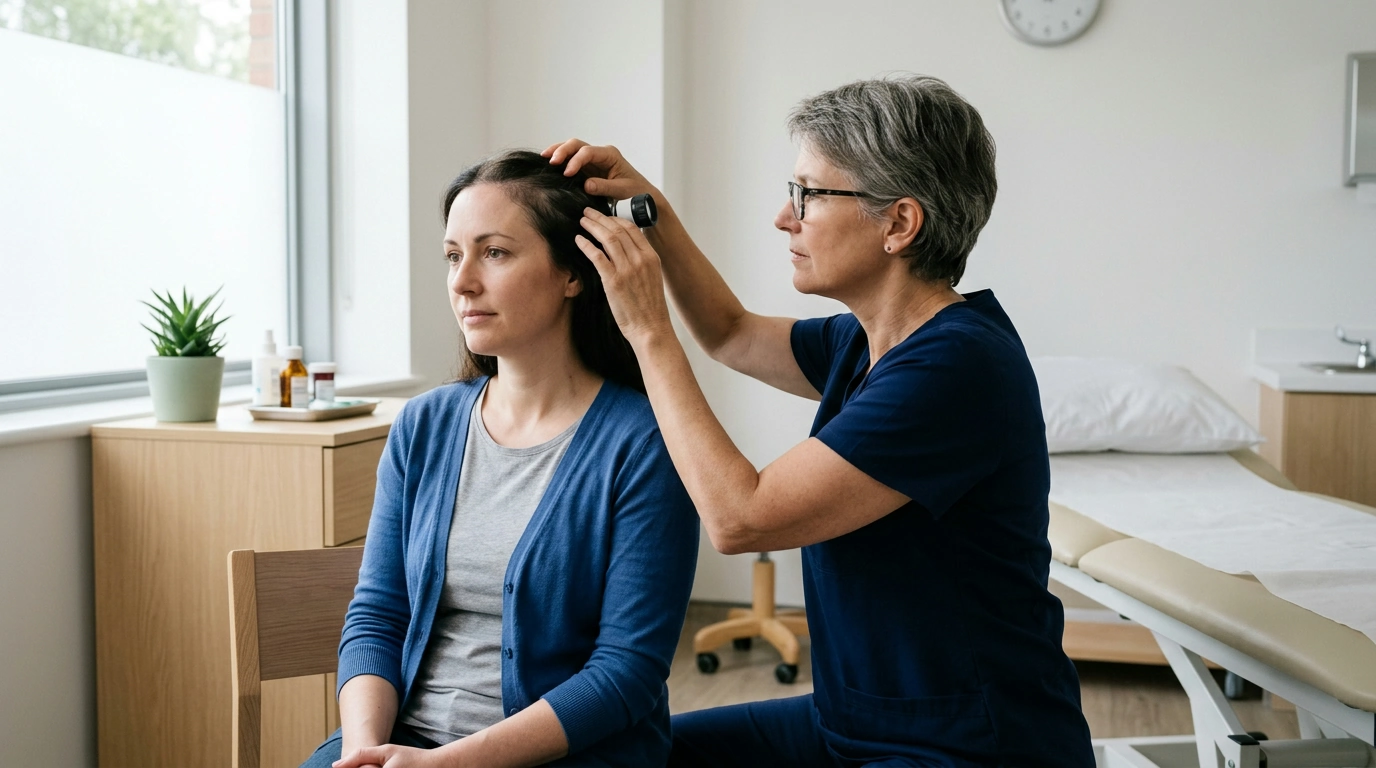
Dermatologists recommend identifying the type of hair loss before choosing treatment: gradual widening of the part can suggest female pattern hair loss, while sudden shedding may follow illness, childbirth, major stress, or a medication change. Your dermatologist will typically ask when the loss began, examine your scalp and hair, and decide whether blood tests or, occasionally, a scalp biopsy would help clarify the cause.
Consider treatments matched to your diagnosis
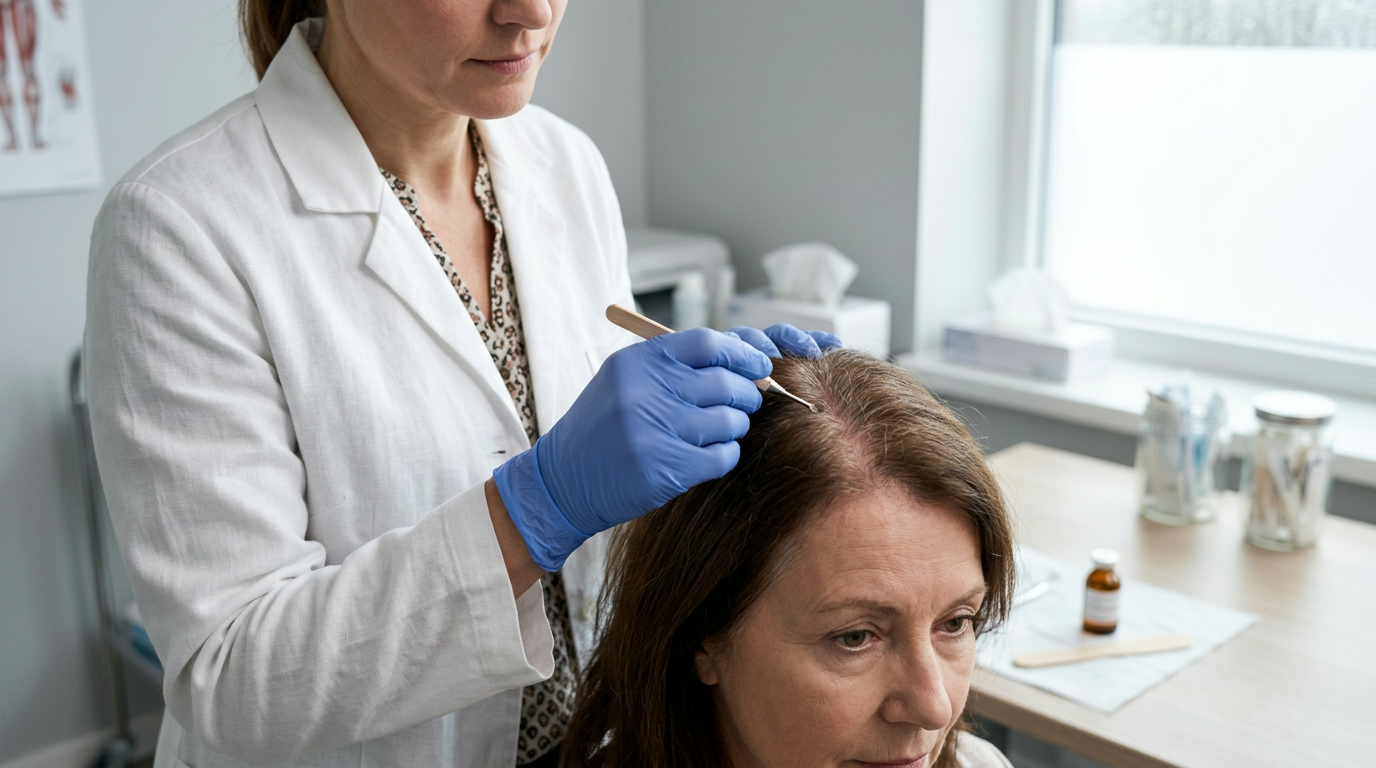
For female pattern hair loss, dermatologists commonly recommend topical minoxidil, which requires consistent use and can take several months to show whether it is helping. Depending on your diagnosis and health history, a dermatologist may also discuss prescription options such as oral minoxidil or spironolactone; these need medical supervision, and some hair-loss medications are unsuitable during pregnancy or when trying to conceive.
Featured in this guide
Understanding Hair Loss from the Inside Out – Hair Loss and Nutrient Deficiency eBook, Science-Backed Nutrition Guide, Digital Download for Stronger Healthier Hair
Address shedding and scalp health
If you have temporary shedding, treatment often focuses on the trigger—such as recovery from illness or correcting a confirmed deficiency—rather than starting every available hair-growth product. If you notice itching, scaling, pain, patchy bald spots, or a rapidly changing hairline, seek an evaluation promptly because inflammatory or autoimmune conditions can call for different care.
Check the product’s listed specifications when evaluating address shedding and scalp health.
Support your hair without guessing at deficiencies
We recommend asking about nutrition when your diet is restricted, your periods are heavy, or you have other reasons to suspect low iron or inadequate protein, but taking high-dose supplements without testing can be unhelpful or harmful. Our Understanding Hair Loss from the Inside Out eBook is a nutrition-focused guide you can use to organize questions for your appointment, not a substitute for a diagnosis or treatment plan from your dermatologist.
FAQ
What do dermatologists prescribe for women’s hair loss?
Prescriptions depend on the cause: a dermatologist may consider oral minoxidil or spironolactone for female pattern hair loss, while some forms of alopecia areata or scalp inflammation call for other medications. Tell your clinician if you are pregnant, planning pregnancy, breastfeeding, or taking other medicines so you can discuss appropriate options and monitoring.
What vitamin am I lacking when my hair is falling out?
Hair loss does not point to one specific vitamin deficiency, and common causes of shedding are not necessarily nutritional. Your dermatologist may recommend targeted tests based on your history, including iron studies or tests for particular nutrients when indicated, before suggesting a supplement.
See if Understanding Hair Loss from the Inside Out – Hair Loss and Nutrient Deficiency eBook, Science-Backed Nutrition Guide, Digital Download for Stronger Healthier Hair fits your setup













Leave a comment