What Is the Best Color Season for You?
10% off on product page · save $2.22
What Is the Best Color Season for You?
Choose the Season That Matches Your Natural Coloring
The best color season is the one that most accurately reflects your skin undertone, natural hair color, and eye contrast. Instead of ranking Spring, Summer, Autumn, or Winter, compare warm and cool fabric swatches near your face in indirect daylight; the correct palette should make your complexion look even and your eyes appear clearer.

Check Your Undertone With Warm and Cool Fabrics
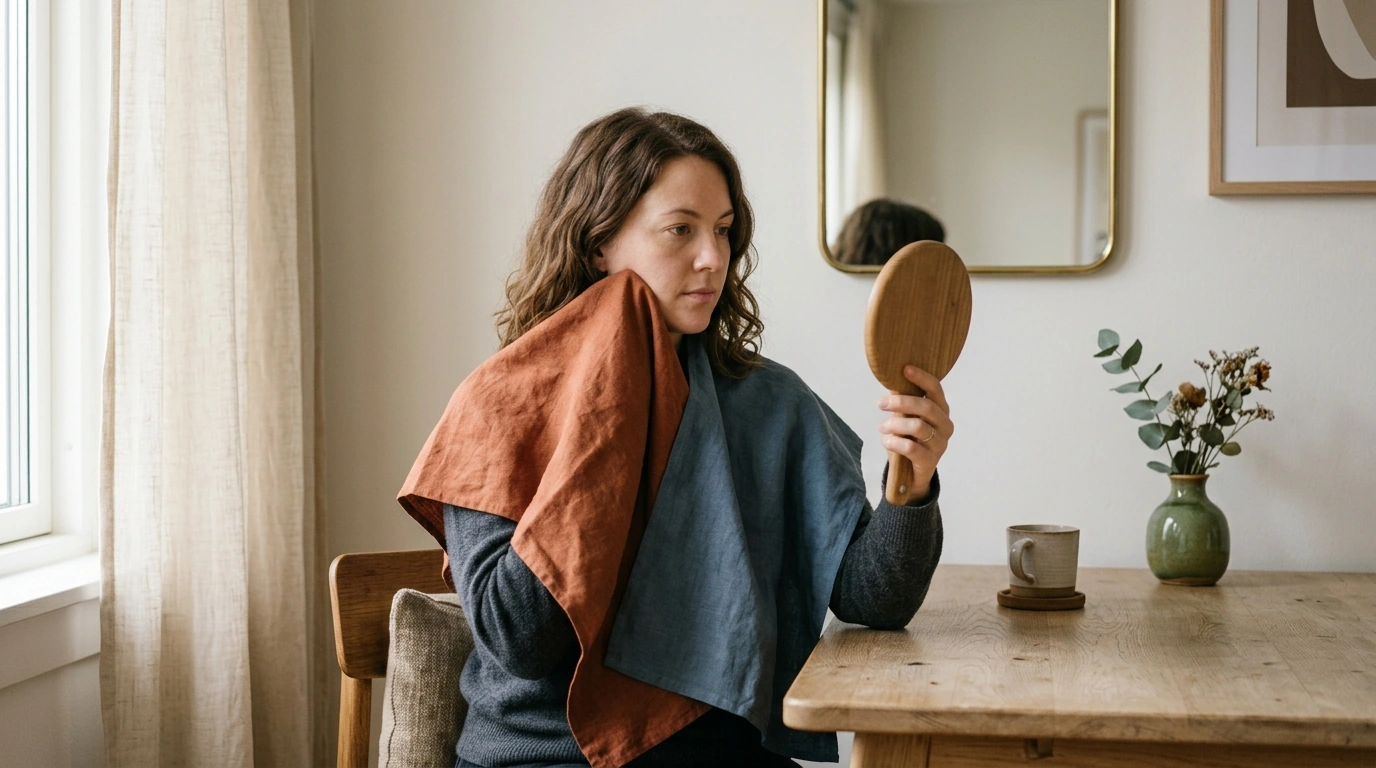
Place a bright white fabric and an ivory fabric beneath your chin, then compare the effect without makeup or tinted lighting. Bright white often complements cool Summer and Winter coloring, while ivory commonly suits warm Spring and Autumn complexions; visible redness, grayness, or shadows suggest a poor match.
Featured in this guide
AI Color Analysis From Your Selfie – Smart Personal Color Guide Ebook | Discover Your Best Colors with an ai color analysis app from a selfie
Measure Your Natural Level of Contrast
Contrast helps separate neighboring seasons that share a similar undertone. Take a grayscale selfie and compare the brightness of your skin, hair, and eyes: a large light-to-dark difference may indicate Winter or Spring, while a softer difference is more consistent with Summer or Autumn.
Test Palette Colors Before Buying Clothing
Try one representative color from each likely palette before investing in a full wardrobe. For example, compare cobalt with dusty blue or pumpkin with coral, keeping the neckline and fabric finish similar; return or exchange items if the color emphasizes under-eye shadows instead of facial features.
Use a Selfie for a More Consistent Comparison
A front-facing photo can make seasonal differences easier to evaluate when lighting and camera settings remain consistent. Photograph yourself near a window, remove beauty filters, and include your natural hairline; then follow this guide to AI color analysis from your selfie to compare likely palettes.
FAQ
Which color season is the best?
No color season is universally the best; the best color season is the one aligned with your undertone, value, and contrast. A correctly matched season creates more visual harmony than choosing a palette simply because its colors are fashionable or appealing.
What is the rarest color season?
There is no reliable population-wide evidence proving that one color season is the rarest. In 12-season systems, highly specific combinations such as Bright Spring or Bright Winter may appear less common in some groups, but results vary with ancestry, classification method, and analyst judgment.
See if AI Color Analysis From Your Selfie – Smart Personal Color Guide Ebook | Discover Your Best Colors with an ai color analysis app from a selfie fits your setup









Leave a comment