What Is the Rarest Color Analysis Season?
10% off on product page · save $2.22
What Is the Rarest Color Analysis Season?
What Is the Rarest Season in Color Analysis?
There is no universally accepted rarest season because color-analysis systems and regional populations vary. However, True Winter—sometimes called Cool Winter—is often described as relatively uncommon because it requires a strongly cool undertone, high contrast, and clear coloring without noticeable warmth.
Check the listed dimensions for what is the rarest season in color analysis? against the available vehicle space before use.

Why True Winter Is Considered Uncommon
True Winter sits at the coolest point of the seasonal spectrum, with no influence from a warm season. To check for this profile, compare pure white with cream and silver with gold near your face; True Winters generally look sharper in pure white and silver.

Featured in this guide
AI Color Analysis From Your Selfie – Smart Personal Color Guide Ebook | Discover Your Best Colors with an ai color analysis app from a selfie
Rarity Depends on the Color System
A four-season system groups more people into broad categories, while 12- and 16-season systems divide coloring into narrower combinations. Before calling a season rare, confirm whether the analysis uses four, 12, or 16 categories, since labels such as Dark Winter and Bright Winter change the distribution.
How to Test a Possible Winter Result
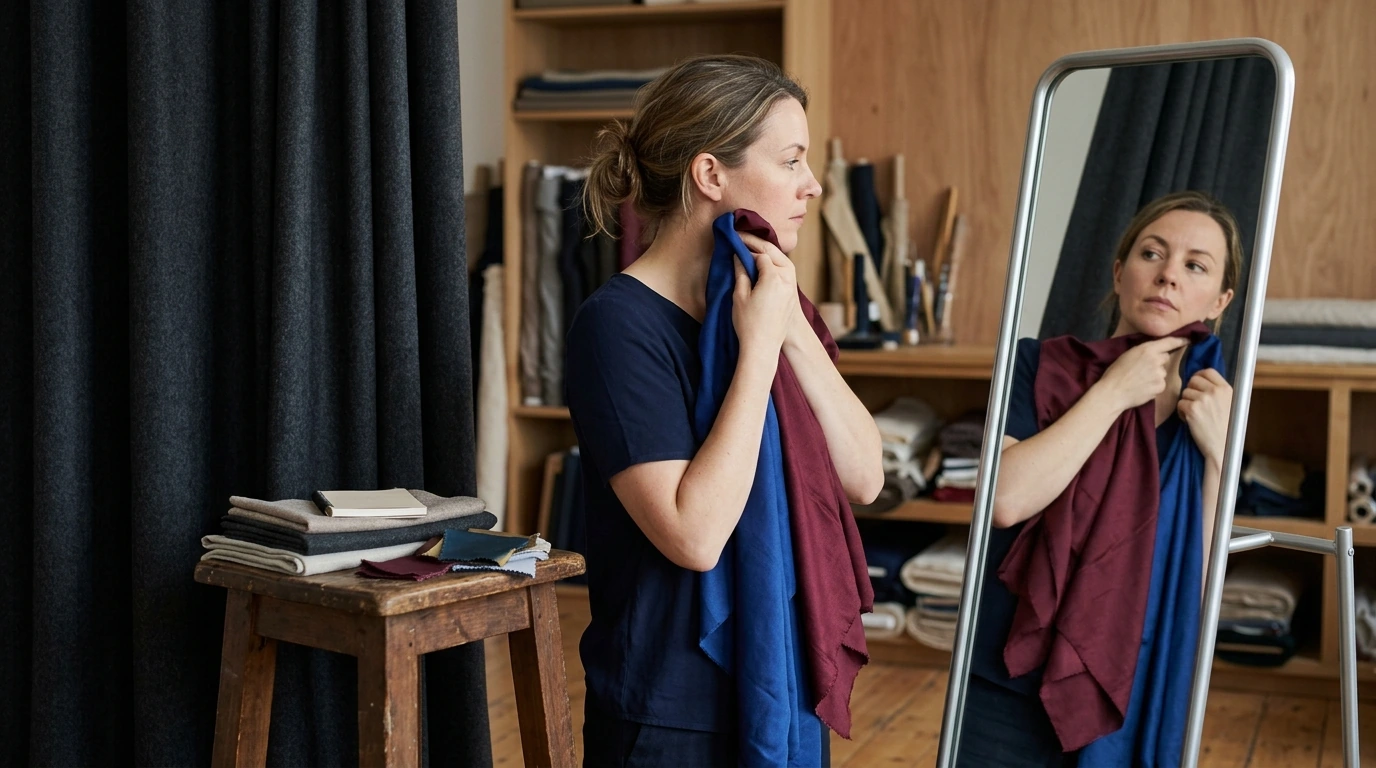
Use fabric drapes in cool, saturated colors such as cobalt, blue-red, emerald, and black under indirect daylight. Remove makeup, cover dyed hair, and compare each color against a muted or warm alternative while watching for clearer eyes, smoother skin, and reduced shadows.
Why Personal Fit Matters More Than Rarity
A rare label does not make one palette better than another; the useful season is the one that harmonizes with your natural temperature, value, and chroma. For a practical starting point, follow the AI color analysis from a selfie guide and verify the result with real fabrics before buying clothing or cosmetics.
FAQ
What is the most rare color analysis season?
True Winter is frequently cited as the rarest color analysis season, although no authoritative global statistics establish one definitive answer. Its combination of cool undertones, high contrast, and clear intensity is less commonly identified than more neutral or blended coloring.
What is the unicorn color season?
The unicorn color season usually refers informally to Bright Winter, a vivid neutral-cool season that can handle exceptionally saturated colors. The term is not standardized, and some analysts use it for any unusually rare or difficult-to-classify palette.
Which color season has the lowest contrast?
Soft Summer and Soft Autumn generally have the lowest contrast among the 12 color seasons. Soft Summer is cool-neutral and muted, while Soft Autumn is warm-neutral and muted; both suit gentle color transitions rather than stark black-and-white pairings.
What is the best color season?
The best color season is the one that matches your natural coloring rather than the one considered rare or fashionable. A well-matched palette makes the complexion appear more even and keeps clothing colors from overpowering the face.
Can ChatGPT tell me what season I am?
ChatGPT can suggest a likely color season from a clear daylight photo and details about undertone, eye color, natural hair, and reactions to comparison colors. Treat the result as a starting point and confirm it through controlled fabric draping.
How to tell if you’re a soft autumn or light Spring?
Soft Autumn is more muted, earthy, and slightly deeper, while Light Spring is brighter, warmer, and lighter. Compare dusty olive and muted terracotta with peach, warm aqua, and light coral; the better group should brighten your complexion without emphasizing redness or shadows.
See if AI Color Analysis From Your Selfie – Smart Personal Color Guide Ebook | Discover Your Best Colors with an ai color analysis app from a selfie fits your setup









Leave a comment